2025年考研英语二翻译部分是一篇关于“智力与天赋”的议论文节选,出自美国作家温迪·威廉姆斯(Wendy Williams)的著作《The Natural Superiority of Women》(《女性的天然优越性》),文章探讨了智力与天赋的定义、差异及其在社会发展中的作用,语言风格严谨且富有逻辑性,对考生的词汇理解、长难句分析及语境把握能力提出了较高要求,以下从真题原文、翻译难点解析、参考译文及备考启示四个方面展开详细分析。

真题原文及翻译任务
2025年考研英语二翻译部分共一个段落,约150词:
"Intelligence is the ability to think, to learn from experience, to solve problems, and to carry out goals effectively. In a word, it is the ability to adapt to and to shape the environment. Human intelligence, as it is now understood, includes a wide range of mental abilities, such as the capacity for abstract reasoning, planning, complex thought, and learning quickly. While intelligence is often associated with formal education, it is not limited to it. For example, a farmer who can predict the weather based on cloud patterns and a stockbroker who can make sound investment decisions both demonstrate high intelligence, even though their environments and educational backgrounds may differ significantly."
翻译任务:将上述段落准确、通顺地译成中文,要求忠实原文意思,表达清晰自然。
翻译难点解析
-
长难句结构拆分
段落中包含多个复合句,需先理清主干与修饰成分,例如首句“Intelligence is the ability to think, to learn from experience, to solve problems, and to carry out goals effectively”为简单句,但“to do”不定式作后置定语的并列结构需统一处理;而“Human intelligence, as it is now understood, includes a wide range of mental abilities”中插入语“as it is now understood”需前置或后置调整语序,确保句子流畅。 -
抽象概念的语境化处理
“adapt to and to shape the environment”中,“adapt to”意为“适应”,“shape”需结合语境译为“塑造”而非字面的“形状”;“abstract reasoning”若直译为“抽象推理”虽准确,但需结合后文“planning, complex thought”等补充为“抽象推理能力”,避免生硬。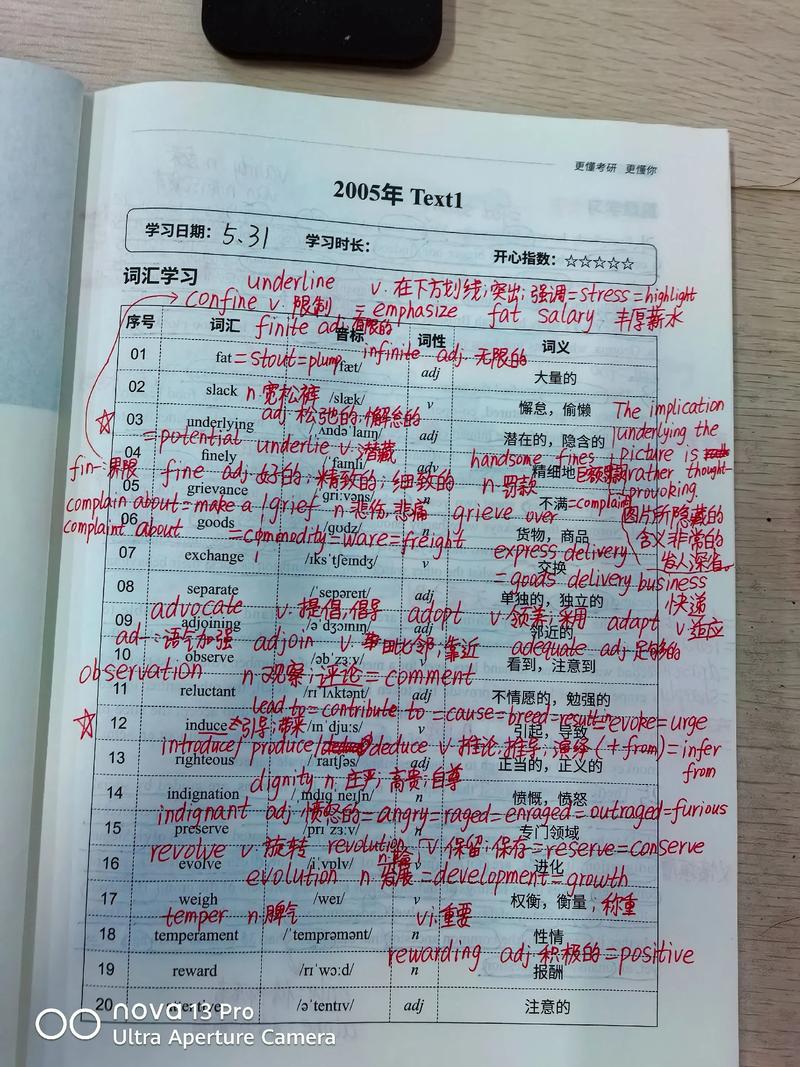 (图片来源网络,侵删)
 -
文化背景与隐含意义
“stockbroker”译为“股票经纪人”需结合中国金融语境,避免直译为“股票商人”;“formal education”译为“正规教育”而非“正式教育”,更符合中文对“教育体系”的表述习惯。“predict the weather based on cloud patterns”需补充“农民”的身份背景,译为“农民通过云层模式预测天气”,使逻辑更清晰。 -
逻辑连接词的显性化
“While intelligence is often associated with formal education, it is not limited to it”中,“while”表转折,需译为“虽然………”而非“当……时”;“even though”引导的让步状语从句,需处理为“尽管”或“即使”,突出前后对比关系。
参考译文
智力是指思考、从经验中学习、解决问题以及有效实现目标的能力,它是适应环境并塑造环境的能力,人类智力被广泛认为包含一系列心理能力,例如抽象推理、规划、复杂思维以及快速学习的能力,虽然智力常与正规教育联系在一起,但它并不局限于教育,农民通过云层模式预测天气,股票经纪人做出明智的投资决策,这两者都展现了高度智力,尽管他们的环境和教育背景可能存在显著差异。
备考启示
-
夯实词汇基础,注重一词多义
如“shape”在此处为动词“塑造”,需结合上下文灵活处理;“capacity”需根据搭配译为“能力”而非“容量”,建议考生在备考中积累熟词僻义,如“carry out”在此处为“实现”,而非“执行”。 (图片来源网络,侵删)
 -
强化长难句分析能力
针对插入语、非谓语动词、并列结构等复杂句式,需通过“找主干—析修饰—调语序”步骤拆解,将“Human intelligence, as it is now understood, includes...”拆解为“Human intelligence includes... (as it is now understood)”,再将插入语转化为“目前人类智力被广泛认为包含...”,避免语序混乱。 -
培养语境意识,避免机械翻译
如“a farmer who can predict...”若直译为“一个能预测的农民”会显得突兀,需补充“农民通过云层模式预测天气”,使动作主体和方式更明确。“sound investment decisions”中“sound”译为“明智的”而非“声音的”,需结合金融语境判断词义。 -
积累文化背景知识
对“stockbroker”“formal education”等具有文化负载的词汇,需结合中文表达习惯调整,避免直译带来的歧义,建议考生多阅读外刊(如《经济学人》《科学美国人》),熟悉不同领域的常用表述。
相关问答FAQs
Q1: 考研英语二翻译中遇到长难句时,应如何处理语序问题?
A1: 处理长难句时,首先需通过“主谓宾”结构识别句子主干,再分析定语、状语、插入语等修饰成分,对于英语后置修饰(如定语从句、介词短语),可按中文习惯前置处理;若修饰成分过长,可拆分为短句或使用破折号、括号等补充说明,2025年翻译中“Human intelligence, as it is now understood, includes...”将插入语“as it is now understood”转化为“目前人类智力被广泛认为”,既保留了原意又符合中文语序。
Q2: 如何提升翻译中抽象概念的表达准确性?
A2: 抽象概念(如“intelligence”“adaptation”)需结合上下文具体化,避免直译生硬,可通过添加范畴词(如“能力”“过程”)使抽象概念具象化,如将“the ability to adapt”译为“适应的能力”;需理解词语在特定语境中的引申义,如“shape the environment”译为“塑造环境”而非“形成环境”,积累同义替换(如“solve problems”可译为“解决问题”或“应对问题”)也有助于丰富表达,避免重复。